Card Candle
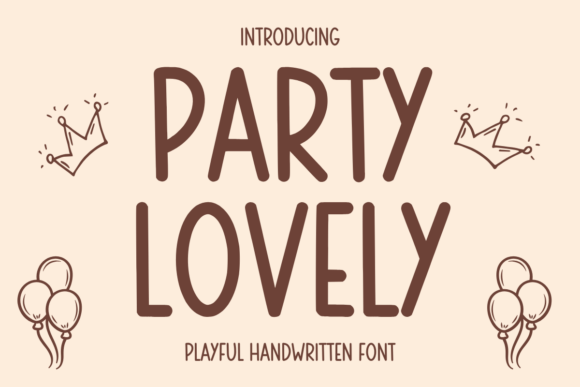
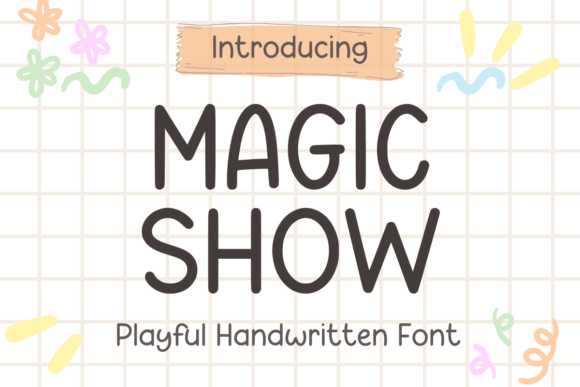
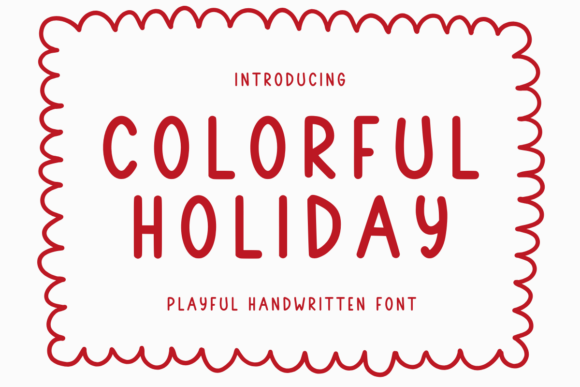
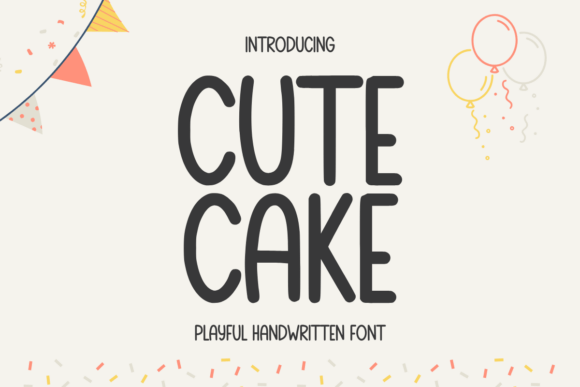
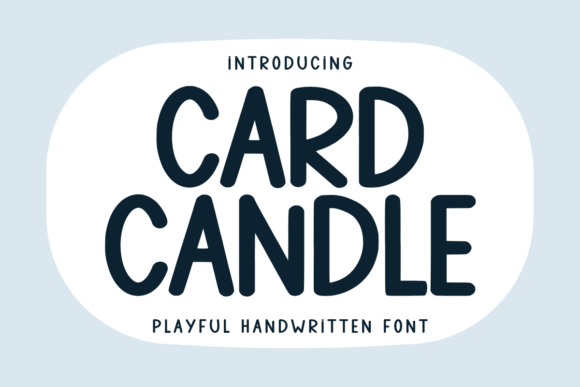
Card Candle isn’t just another script font—it’s a deliberate design choice with quiet authority. Its hand-drawn aesthetic feels warm, human, and unhurried: slightly uneven strokes, subtle variations in line weight, and organic spacing that resist digital perfection. That authenticity isn’t decorative—it’s functional. In a landscape saturated with over-polished, algorithm-optimized typefaces, Card Candle signals intentionality. It tells readers—whether they’re flipping through a planner, scanning a worksheet, or reviewing a KDP interior—that care was taken, not just in content, but in how that content is framed and felt.
Why Strategic Use of Card Candle Matters More Than You Think
Typography shapes perception before a single word is read. Card Candle doesn’t shout—it invites. That makes it especially powerful when your goal is to foster reflection, encourage engagement, or soften the transactional tone of everyday tools. For educators designing learning worksheets, its approachability lowers cognitive barriers for students. For freelancers building branded client trackers, it reinforces a personal, service-oriented ethos—not corporate detachment. For small business owners creating print-on-demand stationery, it adds tactile warmth that mass-produced fonts can’t replicate.
This isn’t about aesthetics alone. It’s about alignment: matching visual language to purpose. When Card Candle appears on a daily planner page, it subtly supports the act of slowing down, writing by hand, and prioritizing presence over speed. That psychological nudge matters—especially for professionals juggling reactive workflows and intentional planning.
Where Card Candle Delivers Measurable Value
Its strength lies in context-specific utility—not universal application. Consider these high-leverage use cases:
- Journals and notebooks: Card Candle encourages handwritten entries. Its rhythm mirrors natural pen movement, making blank pages feel less intimidating and more hospitable to thought.
- Daily planners and habit trackers: Because it avoids rigid geometry, it pairs well with irregular layouts—think weekly spreads with asymmetrical sections or mood-log checkboxes drawn freehand. It doesn’t compete with structure; it softens its edges.
- KDP interiors and low-content books: On interior pages where minimal text meets generous white space, Card Candle creates distinction without clutter. Readers associate it with craftsmanship—boosting perceived value in competitive niches like gratitude journals or self-paced study guides.
- Print-on-demand stationery: Greeting cards, quote prints, or custom to-do lists gain emotional resonance when typography feels handmade. Card Candle helps differentiate commodity items in crowded marketplaces.
- Presentations and internal training decks: Used sparingly—for section headers or key takeaways—it introduces warmth into otherwise formal contexts. It signals “this matters to us as people,” not just as data points.
Using Card Candle Intentionally—Not Automatically
Adopting Card Candle without strategy risks misalignment. A marketing agency using it across all client-facing decks may unintentionally dilute brand clarity if their positioning relies on precision and scalability. A productivity coach applying it to every slide in a time-management webinar could inadvertently undermine the message of rigor and structure.
Ask yourself before deploying it:
- What outcome do I want this element to support? (e.g., “I want users to feel safe journaling about setbacks” vs. “I want them to quickly scan deadlines.”)
- Does Card Candle reinforce—or contradict—the cognitive load I’m asking of the user? (It excels at low-stakes, reflective tasks—not dense technical documentation.)
- Is consistency serving clarity—or masking inconsistency in my broader system? (Using Card Candle in a planner but defaulting to sterile sans-serifs in accompanying digital templates creates dissonance.)
For example, an educator designing a classroom behavior tracker might use Card Candle for student names and encouraging phrases (“You’ve got this!”), while reserving clean, highly legible fonts for date stamps and point tallies. The contrast isn’t arbitrary—it directs attention and calibrates tone.
Practical Integration Tips for Real Workflows
Start small—and test. Don’t overhaul every template at once. Instead:
- Apply Card Candle to one recurring document—like your personal weekly review sheet—and observe whether it changes how you engage with it. Do you linger longer? Write more freely? Feel less pressure to “get it right”?
- In KDP projects, reserve it for cover titles and interior section headers—not body text. Let readability govern the latter; let Card Candle shape first impressions and structural landmarks.
- When designing for print-on-demand, pair it with a neutral, highly legible companion font (e.g., a modest serif or humanist sans) for captions, instructions, or fine print. This preserves hierarchy without sacrificing warmth.
- For presentations, limit usage to no more than two slide types: title slides and summary callouts. Avoid mixing it with multiple other display fonts—clarity trumps variety.
Risks of Unconsidered Adoption
Card Candle’s charm has boundaries. Using it without regard for audience, medium, or objective can backfire:
- Legibility trade-offs: At small sizes (<10 pt) or on low-resolution screens, its irregularities reduce scannability. Never use it for footnotes, legal disclaimers, or accessibility-critical labels.
- Brand dilution: If your business communicates authority through restraint (e.g., financial advising, legal services), overusing Card Candle may unintentionally signal informality where credibility hinges on precision.
- Operational friction: Some platforms restrict custom font embedding. If you’re building editable Canva templates or Notion databases, verify compatibility—or prepare fallbacks—to avoid last-minute formatting breakdowns.
- Context collapse: Applying it uniformly across digital and print, formal and casual, public and private materials blurs distinctions that users rely on to orient themselves. A client shouldn’t need to decode your font choice to understand whether something is a reminder, a contract clause, or a motivational prompt.
Long-Term Positioning: Beyond Trendiness
Card Candle endures because it serves a persistent human need: the desire for tools that feel aligned with our values—not just our tasks. As remote work normalizes digital fatigue and attention becomes scarcer, the fonts we choose carry increasing weight in shaping experience.
Think long-term: Will this choice still support your goals six months from now? If you’re building a signature planner system for clients, Card Candle can become part of your recognizable voice—provided it’s anchored in consistent principles (e.g., “We prioritize reflection over speed”). But if it’s selected solely because it’s “trendy on Pinterest,” it won’t sustain trust or differentiation.
Similarly, educators integrating it into curriculum materials should consider how it scaffolds learning over time—not just for one unit, but across skill development. Does its warmth support beginner confidence without undermining later expectations of precision? That kind of layered thinking separates tactical use from strategic advantage.
Final Thought: Typography as Quiet Leverage
Card Candle won’t fix unclear goals, inconsistent systems, or poorly defined audiences. But when applied with purpose—paired with thoughtful structure, clear objectives, and honest self-assessment—it becomes quiet leverage. It deepens connection where connection matters most: between idea and action, instruction and understanding, creator and user.
The most effective use of Card Candle isn’t about how many places you can fit it—it’s about recognizing the few places where its authenticity meaningfully shifts the interaction. Start there. Measure the difference. Then decide—not guess—where else it belongs.