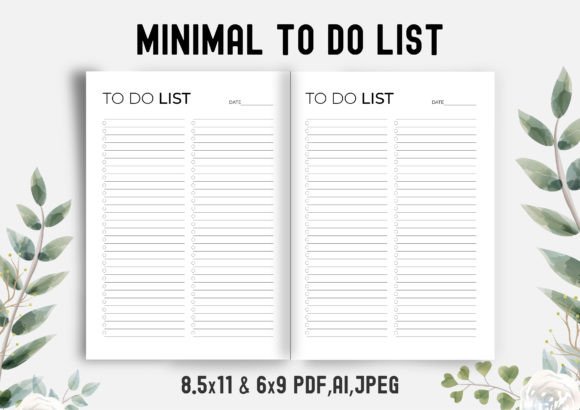
Minimal to Do List – KDP Interior
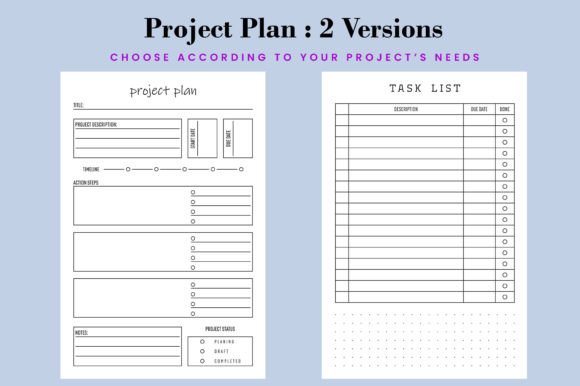
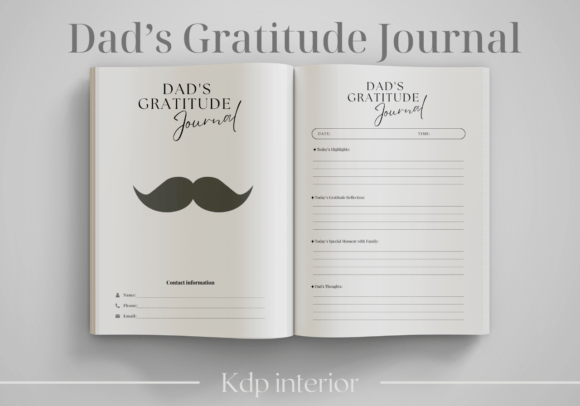
A clean, intentional to-do list isn’t just about checking boxes—it’s about creating space for focus, reducing decision fatigue, and supporting consistent action. The Minimal to Do List – KDP Interior delivers exactly that: a thoughtfully designed, print-ready interior template built for Amazon KDP publishing. With its uncluttered layout, purposeful spacing, and flexible dimensions (8.5″ x 11″ and 6″ x 9″), it serves creators who value clarity over complexity—and who need a reliable, professional-grade foundation they can adapt, brand, and publish without redesigning from scratch.
What Makes This Template Stand Out
Unlike generic planners or overly decorated journals, the Minimal to Do List – KDP Interior prioritizes function with quiet intention. It features subtle dotted lines—ideal for handwriting practice, light sketching, or guided journaling—without visual noise. There’s no bleed, no decorative borders competing for attention, and no forced sections that don’t serve your audience. Every page supports one core idea: what needs doing, and nothing more.
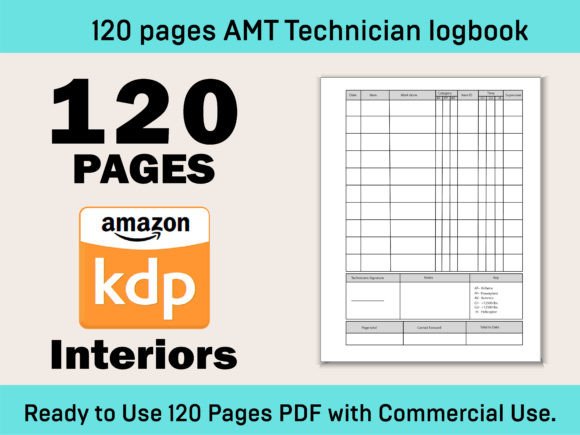
At 120 pages, it strikes a practical balance—substantial enough for real use, lean enough to avoid overwhelm. The 300 PPI resolution ensures crisp text and clean lines in print, while the inclusion of PDF, JPEG, AI, and EPS files gives you full flexibility: tweak colors in Illustrator, batch-export covers in Photoshop, or drop pages directly into KDP’s upload flow.
Creative Applications Beyond “Just a To-Do List”
This interior isn’t limited to daily task tracking. Its minimalism is a canvas—not a constraint. Educators use it as a behavior logbook for students: simple checkboxes next to “Completed homework,” “Brought supplies,” or “Participated in discussion.” Therapists adapt it into a gentle habit tracker for clients building routines around sleep, hydration, or mindfulness.
For kids’ activity books, the dotted-line format becomes a natural bridge between tracing and freehand writing. Pair it with a “This Book Belongs To” cover and you’ve got an instant classroom-ready notebook—no extra design work needed. Add a short intro page with a growth-mindset prompt (“Today I tried…”), and it transforms into a reflective learning tool aligned with social-emotional standards.
Podcasters and course creators repurpose it as a companion workbook—inserting prompts like “Key takeaway from Episode 3” or “One action I’ll take this week”—then bundling it with digital products. Because the interior is print-ready and bleed-free, it integrates seamlessly into physical product launches, subscription boxes, or local print-shop collaborations.
Who Benefits—and How They Adapt It
- Educators: Print single-page PDFs for handouts, or bind full interiors for student planners. Use the 6″ x 9″ size for desk-friendly notebooks; choose 8.5″ x 11″ for wall-mounted weekly trackers.
- Freelancers & Small Business Owners: Brand the cover, add your logo to the footer, and use the interior as a client onboarding journal—“Week 1 Goals,” “Feedback Received,” “Next Steps Agreed.” Consistency builds trust; simplicity builds usability.
- Content Creators: Bundle it with a short guide (“5 Ways to Build Consistent Habits”) and sell as a low-cost, high-perceived-value lead magnet—or offer it as a bonus inside a paid course.
- Parents & Homeschoolers: Combine with themed stickers or printable reward charts. The dotted lines support fine motor development, making it equally useful for early writers and older kids practicing cursive or note-taking.
Practical Tips for Best Results
Start with your audience’s habits—not your design preferences. If your readers are young children, keep fonts large and line spacing generous. If it’s for busy professionals, consider adding subtle time-blocking cues (e.g., light vertical dividers at 9 a.m., 12 p.m., 3 p.m.)—but only if it serves their workflow, not yours.
When branding, limit color to one accent (e.g., soft teal or warm terracotta) and keep all text black or near-black for readability. Avoid gradients or transparency in KDP uploads—they often render unpredictably in print. And always preview your final PDF using KDP’s online previewer before approving: check margins, gutter alignment, and whether dotted lines remain visible at 100% zoom.
If you’re scaling across multiple titles—say, a series of themed notebooks—maintain consistency in font family, line height, and header styling. That visual continuity helps build recognition, especially in crowded categories like “kids’ activity books” or “handwriting practice journals.”
Why Simplicity Wins in Publishing
In a marketplace saturated with ornate, feature-heavy journals, minimalism stands out precisely because it doesn’t try to do everything. The Minimal to Do List – KDP Interior respects the reader’s time and attention. It doesn’t assume expertise—no instructions needed to understand how to use it. It doesn’t demand extra tools—just a pen and intention.
That restraint also makes it highly adaptable. You can layer meaning onto its structure without altering its core: turn blank lines into gratitude prompts, habit streaks, or even collaborative family check-ins (“Who fed the dog today?”). Its neutrality isn’t emptiness—it’s openness. And openness invites engagement.
Getting Started—Fast and Confidently
You don’t need design experience to use this interior effectively. Open the included AI or EPS file in Adobe Illustrator to adjust spacing or add a subtle watermark. Export as PDF/X-1a for guaranteed KDP compatibility. Or skip vector editing entirely: drop the ready-made PDF into KDP’s interior uploader, pair it with a custom cover (using the same dimensions and bleed settings), and hit “Publish.”
Test with a single print proof first—not to check for errors, but to feel the rhythm of the page. Does the dot spacing suit your audience’s handwriting style? Is there enough margin for binding? Does the paper weight you selected complement the clean aesthetic? These small tactile details shape user experience more than any headline ever could.
The Minimal to Do List – KDP Interior isn’t about doing less. It’s about designing for what matters—and letting the rest fall away. Whether you’re launching your first KDP title or your fiftieth, it’s a grounded, reusable asset that saves time, sharpens focus, and quietly supports better outcomes—for you and the people who use what you create.