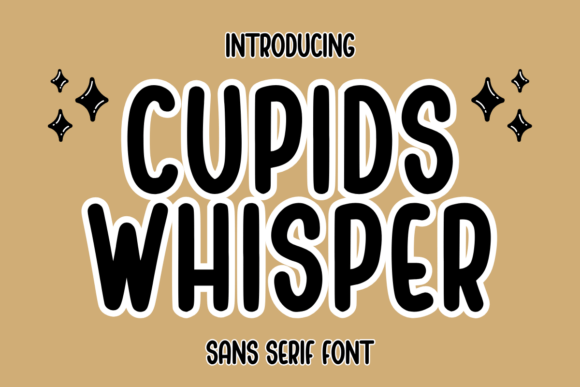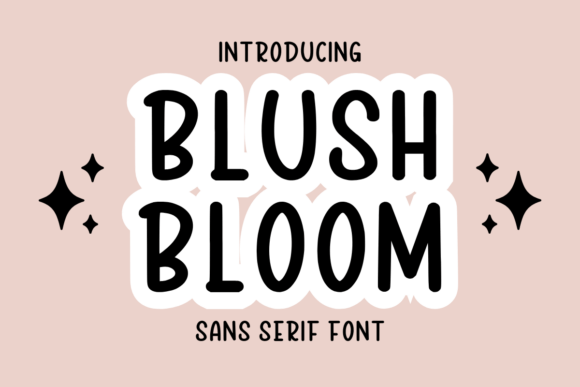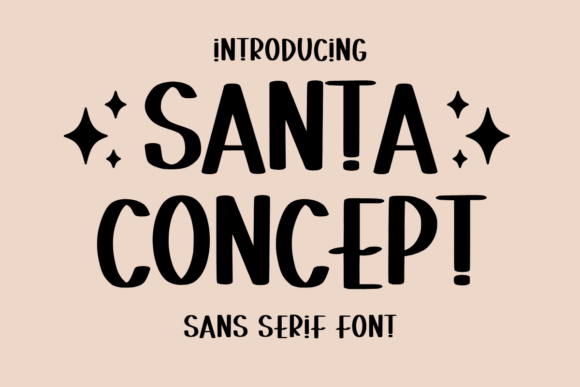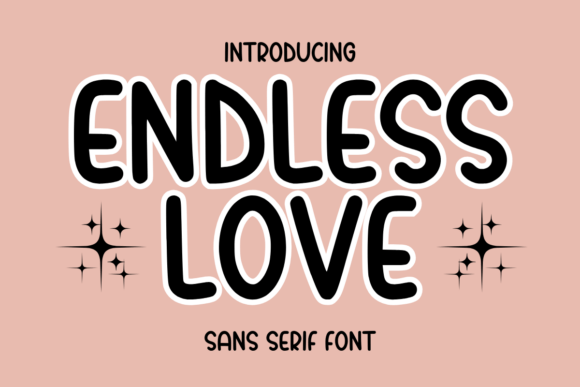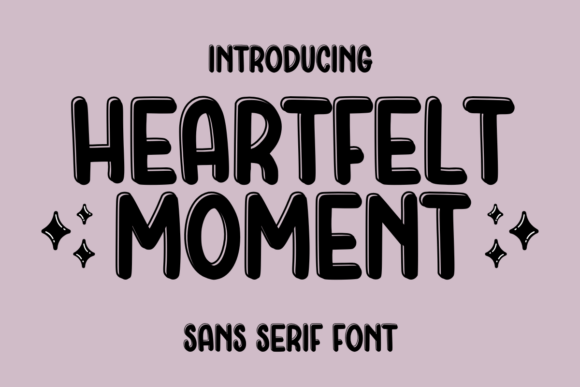
Heartfelt Moment: A Playful Sans-Serif with Purpose
Heartfelt Moment isn’t just another decorative font—it’s a quietly confident design tool built for real work and genuine connection. With its soft curves, open letterforms, and balanced rhythm, it bridges warmth and clarity in a way few playful sans-serifs manage. It doesn’t shout; it invites. And because it’s carefully spaced and highly legible at small sizes, it performs as well on a student’s workbook page as it does on a boutique wedding invitation.
What makes Heartfelt Moment especially useful is how it balances personality with practicality. Unlike script fonts that sacrifice readability for flair—or rigid geometric sans-serifs that feel sterile—it offers approachability without compromise. Its lowercase ‘a’, ‘g’, and ‘y’ have subtle, friendly shapes that add character, while its consistent x-height and generous counters ensure text remains clear across print and screen. That duality is why designers, educators, and small business owners keep returning to it—not for novelty, but for reliability with soul.
Creative Uses That Feel Intentional, Not Just Cute
Because Heartfelt Moment works so well across contexts, its strength lies in *how* you use it—not just where. Think beyond “cute headers.” Use it to signal tone: gentle authority in a teacher’s classroom handout, quiet sincerity in a condolence card, or lighthearted structure in a habit tracker. Its versatility comes from restraint, not randomness.
- Planners & Journals: Pair Heartfelt Moment for section titles (e.g., “Weekly Intentions”, “Gratitude Log”) with a clean, neutral body font like Inter or Lato. This creates visual hierarchy without visual noise—ideal for daily reflection tools meant to be used, not just admired.
- KDP Interiors: For self-published workbooks, journals, or guided planners, Heartfelt Moment adds distinct brand voice while remaining printer-friendly. It holds up well in grayscale and avoids the thinness issues some display fonts face in mass printing.
- Educational Printables: Teachers use it for vocabulary cards, behavior charts, and reading logs—not because it’s “childish,” but because its rounded forms feel inclusive and unintimidating, especially for emerging readers or neurodiverse learners.
- Greeting Cards & Invitations: In digital or letterpress formats, it lends sincerity without formality. Try setting RSVP details in Heartfelt Moment and body copy in a slightly more reserved serif—this contrast feels considered, not accidental.
Adapting for Different Audiences—and Staying Authentic
Who you’re designing for changes how Heartfelt Moment functions. A freelance graphic designer pitching to a wellness brand might use it for headline treatments in mood boards, then scale back to subtle uses—like a single word (“Breathe”, “Begin”, “Pause”) on a printable poster. An educator building a classroom management system might apply it consistently to all student-facing labels (e.g., “Materials Bin”, “Quiet Corner”, “Feedback Station”) to reinforce calm, consistent expectations.
For small business owners, consistency matters most. If you’re using Heartfelt Moment in your logo or product packaging, extend it thoughtfully—not everywhere, but where tone needs reinforcing: a handwritten-style note tucked into a subscription box, the title of your free downloadable checklist, or the “Thank You” page after checkout. That kind of repetition builds recognition without overwhelming.
Hobbyists and journalers often over-design early on—layering too many fonts, colors, or embellishments. Heartfelt Moment shines when given space. Try limiting yourself to one weight (Regular or Medium), one size variation (e.g., 18pt headers / 11pt body), and two colors max. The result feels intentional, not cluttered—and leaves room for handwriting, stickers, or simple line art.
Practical Tips for Clarity and Consistency
Even the most charming font can lose impact if misapplied. Here’s what works—and what to avoid—with Heartfelt Moment:
- Stick to its sweet spot: 10–24pt. Below 10pt, some details soften; above 24pt in tight blocks, spacing can feel loose. For large-format prints (e.g., wall quotes), increase tracking slightly and test at actual size.
- Avoid ALL CAPS for long passages. Its lowercase charm is part of its appeal. Reserve caps for short labels, buttons, or decorative accents—never full sentences.
- Pair wisely. It pairs best with fonts that offer contrast in structure, not just weight. Try it with a warm, low-contrast serif (like Merriweather) or a crisp, neutral sans (like Open Sans). Avoid pairing with other playful or rounded fonts—that dilutes distinction.
- Test in context. Before finalizing a planner layout or KDP interior, print a sample page. Check margins, bleed areas, and how ink spreads on your chosen paper stock. Heartfelt Moment’s rounded terminals hold up better than sharp serifs on uncoated paper—but only if spacing is adjusted accordingly.
Ideas You Can Start Today
You don’t need a big project to explore Heartfelt Moment meaningfully. Try these grounded, low-lift ideas:
- Create a simple weekly meal planner—use Heartfelt Moment for day headers (“Monday Mornings”, “Wednesday Evenings”) and a clean sans for ingredients and times. The contrast makes scanning effortless.
- Design a set of 5–7 affirmation cards for your desk or mirror. Keep text minimal: one phrase per card, centered, in Heartfelt Moment at 20–24pt. No extra graphics needed—the font carries the warmth.
- Redesign your team’s shared meeting notes template. Use Heartfelt Moment for agenda section titles (“Check-In”, “Action Items”, “Next Steps”)—it subtly humanizes collaboration without sacrificing professionalism.
- If you sell printables, bundle three Heartfelt Moment–based templates (e.g., a goal-setting worksheet, a gratitude log, and a simple budget tracker) as a “Calm Planning Kit.” Name matters—“Calm,” not “Cute”—aligns with how users actually experience the font.
Heartfelt Moment earns its place not by being flashy, but by making everyday communication feel more thoughtful. Whether you’re guiding students through a new concept, helping clients organize their year, or simply making space for your own reflection—it supports intention without demanding attention. That balance is rare. And when used with care, it becomes less of a design choice and more of a quiet commitment: to clarity, kindness, and the small, meaningful moments that make creative work worth doing.