Sweet Mocha Font
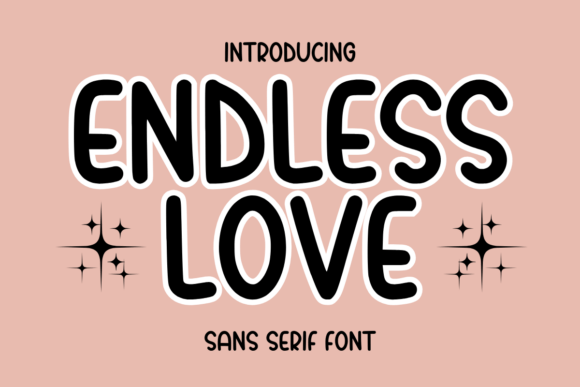
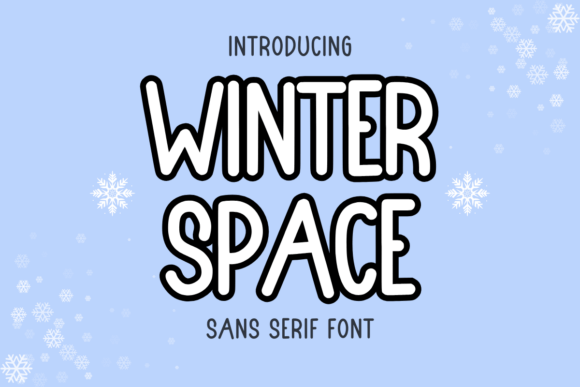
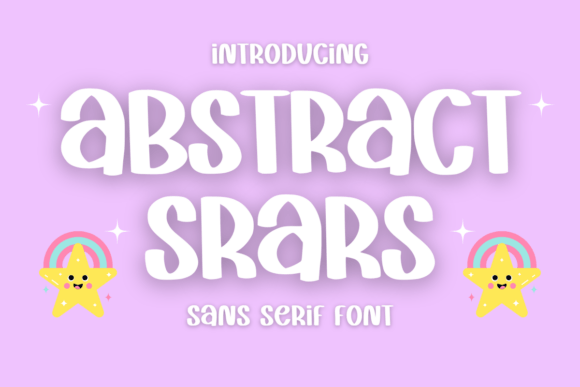
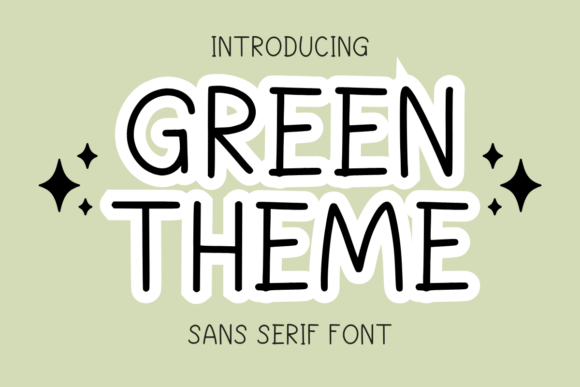
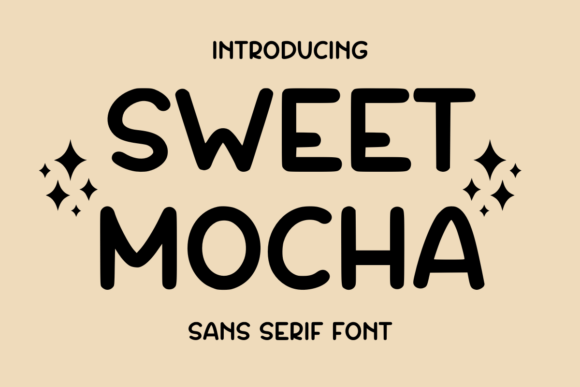
Sweet Mocha is a playful, hand-drawn-inspired sans-serif typeface designed with rounded terminals, gentle curves, and consistent stroke contrast. It balances approachability with readability—avoiding excessive whimsy while retaining warmth and character. Unlike strictly geometric or ultra-minimalist sans-serifs, Sweet Mocha includes subtle irregularities that evoke casual handwriting without sacrificing clarity at small sizes.
Its design makes it well-suited for contexts where friendliness and legibility intersect: educational materials, personal organization tools, printed stationery, and digital printables. It is not intended as a primary body text font for long-form reading (e.g., novels or dense reports), nor as a display font for large-scale branding where high visual impact or extreme uniqueness is required.
Why Consider Sweet Mocha?
Designers, educators, small-business owners, and hobbyists often seek fonts that support both function and tone. Sweet Mocha addresses several common needs:
- Readability in structured layouts: Its open counters and generous x-height aid comprehension in planners, calendars, and worksheets—even at 10–12 pt sizes.
- Tone alignment: It conveys warmth and accessibility without appearing childish or overly decorative—making it appropriate for classroom handouts, therapy worksheets, or wellness journals.
- Print compatibility: Designed with consistent spacing and robust hinting, it renders reliably across PDF viewers and printing workflows used in KDP interiors and printable downloads.
- Versatility across formats: Works equally well in digital note-taking apps (when embedded), physical notebooks, greeting cards, and layered design files (e.g., Canva or Adobe Illustrator).
Practical Benefits and Realistic Expectations
One of Sweet Mocha’s strengths lies in its restrained playfulness. It avoids the uneven baseline or exaggerated swashes found in many “handwritten” fonts—reducing visual fatigue during repeated use. This makes it more sustainable for multi-page documents like workbooks or monthly planners than highly stylized alternatives.
However, users should expect certain limitations. Sweet Mocha typically ships with standard Latin character sets (A–Z, a–z, numerals, basic punctuation). Extended language support (e.g., accented characters for French, Spanish, or Polish) may be limited unless explicitly stated by the foundry. Similarly, advanced OpenType features—such as stylistic alternates, ligatures, or small caps—are generally absent. If your project requires multilingual typesetting or typographic refinement beyond basic text, additional testing or fallback fonts may be necessary.
Another consideration is licensing. Sweet Mocha is commonly offered under licenses permitting personal and commercial use—including resale of derivative products like printable planners—but restrictions vary by vendor. Always verify whether the license covers your intended use case, especially for platforms like Etsy or KDP where automated compliance checks sometimes flag unlicensed fonts.
When Sweet Mocha Is a Strong Fit
Sweet Mocha excels in scenarios where clarity and approachability matter more than formal authority or technical precision. For example:
- Classroom resources: Teachers creating behavior charts, vocabulary trackers, or interactive notebooks benefit from its legible yet inviting appearance—especially for younger learners or neurodiverse students who respond well to softer visual cues.
- Digital and physical planners: Its even rhythm supports quick scanning of time blocks, habit trackers, or priority lists. The rounded forms soften the rigidity often associated with grid-based layouts.
- Greeting cards and invitations: When paired with minimal layouts and ample white space, Sweet Mocha provides personality without overwhelming delicate paper textures or foil accents.
- Scrapbooking and journaling kits: Its friendly aesthetic complements illustrated elements and photo collages without competing visually.
In each case, Sweet Mocha functions best as a supporting voice—not the sole typographic element. Pairing it with a neutral, highly legible sans-serif (e.g., Inter, Lato, or Roboto) for headings or captions creates hierarchy while preserving cohesion.
When to Explore Alternatives
Sweet Mocha may be less suitable if your project prioritizes any of the following:
- High-density information display: For data-heavy dashboards, academic syllabi, or legal disclaimers, a more neutral, tightly spaced sans-serif will improve scannability and reduce cognitive load.
- Brand consistency across wide applications: If your identity spans signage, web interfaces, and packaging, Sweet Mocha’s narrow stylistic range may limit flexibility compared to versatile families like Montserrat or Nunito, which offer multiple weights and widths.
- Accessibility-first requirements: While readable, Sweet Mocha lacks the optimized letterforms and spacing of fonts specifically engineered for dyslexia (e.g., OpenDyslexic) or low-vision users (e.g., Atkinson Hyperlegible).
- Monospaced or coding contexts: Its proportional design means it is unsuitable for terminal interfaces, code documentation, or tabular data requiring strict alignment.
Making an Informed Choice
Evaluating Sweet Mocha involves matching its characteristics to your project’s functional and communicative goals—not just its visual appeal. Start by asking:
- What is the primary action the reader should take? If it’s filling out a worksheet or checking off tasks, Sweet Mocha’s clarity supports that goal. If it’s absorbing nuanced arguments or comparing specifications, a more neutral font may serve better.
- At what sizes and in what mediums will the font appear? Test it at actual usage sizes—in printed PDFs, on tablet screens, and alongside other design elements. Rendering differences between devices can affect perceived weight and spacing.
- Does the font integrate smoothly into your existing toolkit? Check compatibility with your design software and export settings. Some applications handle hinted fonts differently, particularly when generating print-ready PDF/X-1a files.
- What do your audience expectations suggest? A kindergarten teacher’s newsletter has different tonal needs than a corporate HR onboarding guide—even if both use planners. Align typography with context, not trend.
Finally, consider sampling before committing. Many vendors offer free trial versions or specimen PDFs showing real-world usage examples. Use those to simulate your workflow: paste sample text into a planner template, overlay it on a greeting card mockup, or embed it in a Notion page. Observe how it performs—not just how it looks.
Sweet Mocha is neither a universal solution nor a niche novelty. It occupies a thoughtful middle ground: functional enough for daily use, expressive enough to reflect care in design. Whether it fits your next project depends less on broad categories (“planners,” “teachers,” “printables”) and more on how precisely its balance of warmth and structure serves your specific readers, tasks, and constraints.