Winter Space: The Handwritten Sans-Serif Font That Brings Warmth and Personality to Everyday Design
If you’ve ever spent too long searching for a font that feels both friendly and functional—something that adds charm without sacrificing clarity—you’re not alone. Many designers, educators, planners, and self-publishers face the same quiet frustration: fonts that are either too stiff for personal projects or too decorative for practical use. That’s where Winter Space steps in—not as another trendy display typeface, but as a thoughtful, versatile handwritten sans-serif built for real-world application.
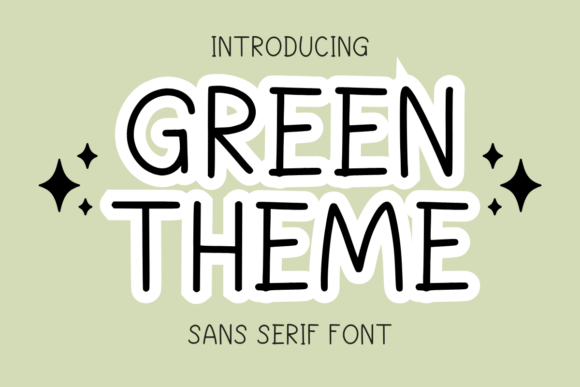
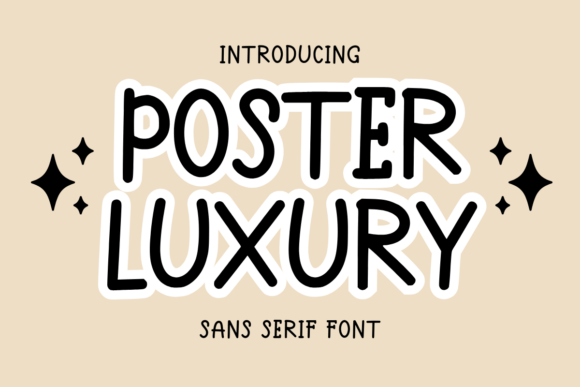
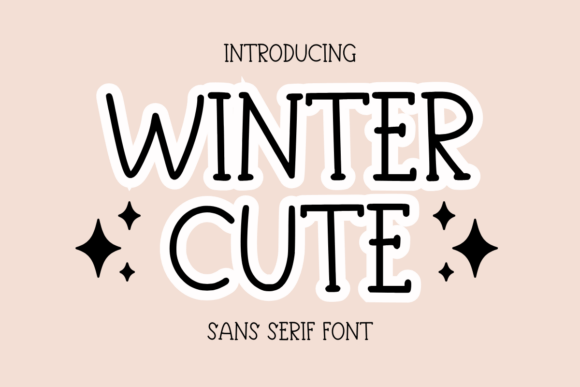
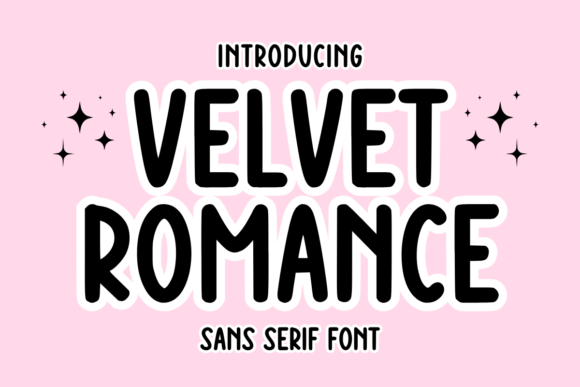
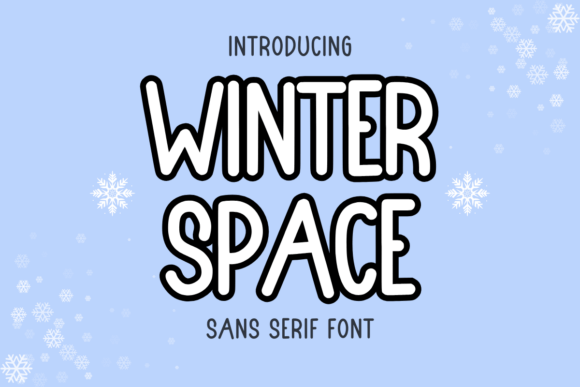
Winter Space is a carefully crafted, playful yet legible font inspired by relaxed handwriting—but with the consistency and spacing of a well-designed sans-serif. It avoids exaggerated flourishes or uneven baselines, making it highly readable at small sizes while retaining unmistakable warmth. Its open letterforms, gentle curves, and subtle irregularities give it character without compromising functionality—ideal for projects where personality matters just as much as practicality.
Why Designers and Creators Choose Winter Space
For adults juggling creative side projects alongside professional responsibilities, time is precious. You need tools that work *with* your workflow—not against it. Consider these common situations:
- You’re designing a printable weekly planner, but standard fonts feel sterile or overly formal.
- You’re formatting a KDP interior for a guided journal—and want readers to feel invited, not instructed.
- You’re assembling a scrapbook or memory-keeping kit and need cohesive, hand-crafted typography that doesn’t require manual lettering.
- You’re creating classroom handouts or therapy worksheets and want text that feels supportive, not clinical.
- You’re building digital printables (like habit trackers or meal planners) and need a font that renders cleanly across devices and printing methods.
In each case, Winter Space serves as a quiet solution: a single font choice that bridges intention and execution. It doesn’t shout—it connects. And because it’s a sans-serif with handwritten DNA, it scales beautifully from 8 pt memos to 48 pt cover titles, all while preserving its approachable voice.
Where Winter Space Shines—And How to Use It Well
The strength of Winter Space lies not in its novelty, but in its reliability across everyday contexts. Here’s how different users put it to work—and what makes those uses effective:
Planners, Journals, and Printables
Whether you're designing a daily gratitude journal or a minimalist to-do list, Winter Space softens structure without losing purpose. Its even x-height and generous counters improve scannability—critical when users glance at a planner mid-morning rush. For KDP interiors, it performs exceptionally well in black-and-white layouts: no ink bleed, no thin strokes disappearing on low-resolution printers. Pair it with a clean, neutral sans-serif (like Inter or Lato) for headings and body contrast—letting Winter Space anchor the “human” voice of your content.
Greeting Cards and Personal Correspondence
A holiday card, birthday note, or thank-you message gains sincerity when the typography mirrors intention. Unlike rigid script fonts that can feel performative, Winter Space reads like something written with care—not perfection. It works especially well for short lines of copy: “Warmest wishes,” “You’ve got this,” or “Let’s make space for joy.” Because it’s a single-weight, non-variable font, it avoids visual clutter—keeping focus on the message, not the mechanics.
Scrapbooking, Calendars, and Memory-Keeping Kits
When assembling physical keepsakes, consistency builds cohesion. Using Winter Space across labels, captions, date blocks, and quotes creates a unified, handmade aesthetic—even if every element was designed digitally. Its lowercase ‘a’, ‘g’, and ‘y’ include subtle variations that mimic natural handwriting, helping pages feel curated rather than templated. Bonus tip: Use light gray or muted ink colors (not pure black) with Winter Space to enhance its organic feel—especially on textured paper.
Practical Considerations Before You Begin
While Winter Space is highly adaptable, thoughtful implementation ensures the best results:
- Line spacing matters. Increase leading by 1.3–1.5x in body text to honor its open, airy rhythm—especially important in journals or workbooks where users write by hand in margins or blanks.
- Limit weight variation. Since Winter Space is offered in one primary weight, rely on size, color, and layout—not bold/italic toggles—to create hierarchy. A 24 pt title over 12 pt body text delivers clear visual structure without faux styling.
- Test for accessibility. While highly legible, avoid using Winter Space for long-form reading (e.g., novels or dense instruction manuals). Reserve it for headings, short paragraphs, callouts, and interactive elements—where its warmth supports comprehension, not competes with it.
- Consider licensing scope. If you’re creating commercial printables or selling physical planners, verify your license covers end-user distribution—especially for platforms like Etsy or Creative Market where customers download and print files themselves.
Different Users, Shared Intentions
A teacher designing behavior charts for elementary students values Winter Space for its welcoming tone—reducing anxiety around routines. A freelance designer crafting a brand identity for a wellness coach chooses it to reflect authenticity and grounded energy. An indie author formatting their second self-published workbook selects it because readers have told them, “Your pages feel like a conversation.” Though their goals differ, each user shares a core need: to communicate with empathy, without sacrificing clarity.
That’s the quiet power of Winter Space. It doesn’t ask you to overhaul your process—it simply fits in, thoughtfully. You don’t need advanced typography knowledge to use it well. You don’t need plugins or pairing guides. You just need a project where people matter more than pixels.
Final Thought: Typography as Quiet Intention
In a world saturated with fast design, flashy templates, and algorithm-driven aesthetics, choosing Winter Space is a small but meaningful act of attention. It says: I want this to feel human. I want this to be used—not just seen. Whether you’re sketching ideas in a notebook, laying out a printable habit tracker, or finalizing a KDP manuscript, Winter Space helps turn functional documents into gentle invitations—to reflect, organize, remember, or begin again.
So if your next project calls for warmth that works, personality that performs, and handwriting that holds up under real use—Winter Space isn’t just a font choice. It’s a practical step toward design that feels like home.